
Why Sustainability Isn't Just a Buzzword, It's Our Future
In an era of rapid change and increasing global awareness, one concept has moved from the fringes to the forefront of our collective consciousness: sustainability. It’s more than just a trendy term; it’s a fundamental shift in how we view our relationship with the planet, our resources, and each other. But why is it so important? Let’s dive in.
1. Protecting Our Planet 🌍
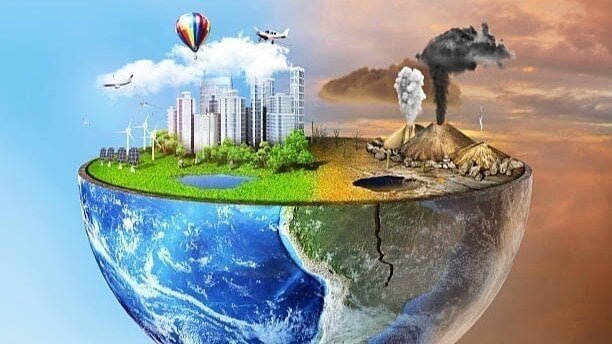
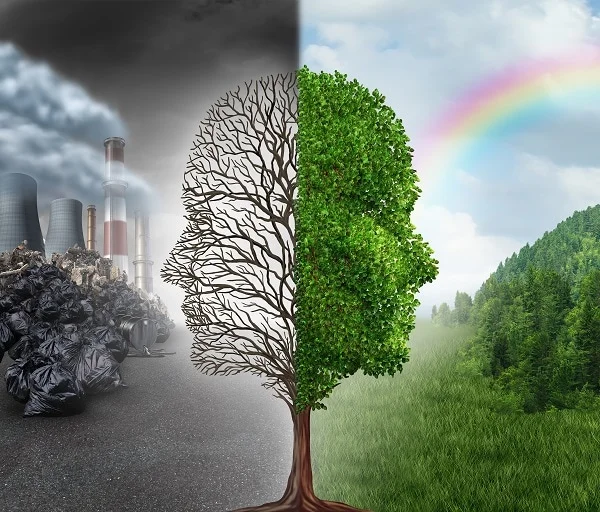
At its core, sustainability is about ensuring that our actions today don’t compromise the ability of future generations to meet their own needs. This means preserving our natural ecosystems, which provide us with everything from clean air and water to food and raw materials.
We’re currently facing critical environmental challenges: climate change, deforestation, plastic pollution, and biodiversity loss, to name a few. These issues aren’t abstract; they directly impact our health, our economies, and our quality of life. Embracing sustainable practices like reducing waste, conserving energy, and supporting renewable resources is our best defense against these threats.

2. Economic Stability and Innovation 💡
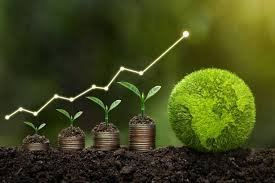
Some might see sustainability as an economic burden, but in reality, it’s a driver of innovation and long-term stability. Businesses that adopt sustainable practices often find themselves more resilient, efficient, and attractive to conscious consumers and investors.
Think about the rise of renewable energy, electric vehicles, and circular economy models. These aren’t just environmental initiatives; they are multi-billion dollar industries creating jobs, fostering technological advancements, and offering new avenues for economic growth. Investing in sustainable solutions today can prevent far more costly environmental and social problems down the line.
3. Social Equity and Well-being🤝
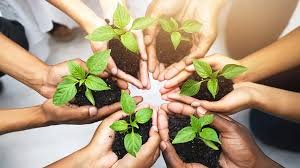
Sustainability isn’t just about the environment; it also encompasses social equity. A truly sustainable world is one where everyone has access to basic necessities, opportunities, and a healthy environment. Issues like poverty, inequality, and lack of access to clean water or healthcare are intrinsically linked to unsustainable systems.
By promoting fair labor practices, community development, and equitable resource distribution, sustainability aims to create a more just and inclusive society. It recognizes that environmental degradation often disproportionately affects vulnerable communities, making social sustainability crucial for global well-being.
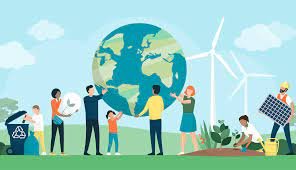

4. A Better Quality of Life
Ultimately, sustainability is about creating a better quality of life for everyone, both now and in the future. It encourages us to live more mindfully, consume less, and appreciate the natural world around us. It prompts us to consider the long-term impacts of our choices, fostering a sense of responsibility and interconnectedness.
Imagine cities with cleaner air, thriving green spaces, and efficient public transport. Picture communities where local food systems flourish, and waste is minimized. This isn’t a utopian dream; it’s the tangible outcome of a sustainable approach.
CONCLUSION
Sustainability is not a choice; it’s a necessity. It’s an integrated approach that acknowledges the intricate connections between our environment, economy, and society. By embracing sustainable practices in our daily lives, in our businesses, and in our policies, we’re not just saving the planet; we’re investing in a more resilient, equitable, and prosperous future for all. It’s time to move beyond the buzzword and make sustainability the bedrock of our existence